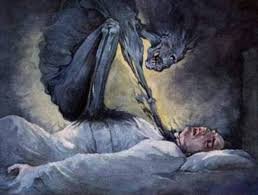
Many people report:
-
Pressure on the chest
-
A feeling that someone is in the room
-
A sense of danger
-
Shadows or strange sounds
These sensations come from a combination of:
-
Mixed brain signals
-
Dreamlike images leaking into wakefulness
-
The body being partially stuck between dreaming and awake states
Even though it feels real, these sensations are simply the brain trying to make sense of the experience.
4. Why Does Sleep Paralysis Happen?
Sleep paralysis can happen to anyone, but certain factors increase your chances:
✔ Sleep deprivation
Not getting enough sleep is one of the biggest triggers.
✔ Irregular sleep schedules
Changing bedtimes, shift work, or staying up too late can disrupt REM cycles.
✔ Stress or anxiety
Mental tension can affect sleep quality and deepen sleep disturbances.
✔ Sleeping on your back
This position is linked to a higher risk of sleep paralysis because the airway and muscles relax differently.
✔ Other sleep disturbances
Nightmares, fragmented sleep, or frequent awakenings can trigger episodes.
Most of these factors are harmless and temporary, which means sleep paralysis itself is usually not a sign of illness.
5. Is Sleep Paralysis Dangerous?
The good news:
Sleep paralysis is not dangerous.
It does not cause physical harm, long-term issues, or health damage. The frightening part is the sensation itself—not the condition.
Doctors consider it a normal sleep phenomenon, especially when it happens occasionally.
6. What You Can Do During the Episode
If you experience sleep paralysis, here are simple techniques that may help you regain control:
✔ Focus on small movements
Try wiggling a finger, toe, or tongue instead of trying to move your entire body.
✔ Regulate your breathing
Slow, steady breaths can help your body exit REM faster.
✔ Remember that it will pass
Knowing that the condition is temporary can reduce panic and shorten the episode.
✔ Relax your muscles
Fighting the paralysis can make it feel longer. Relaxation helps your body transition out of REM atonia.