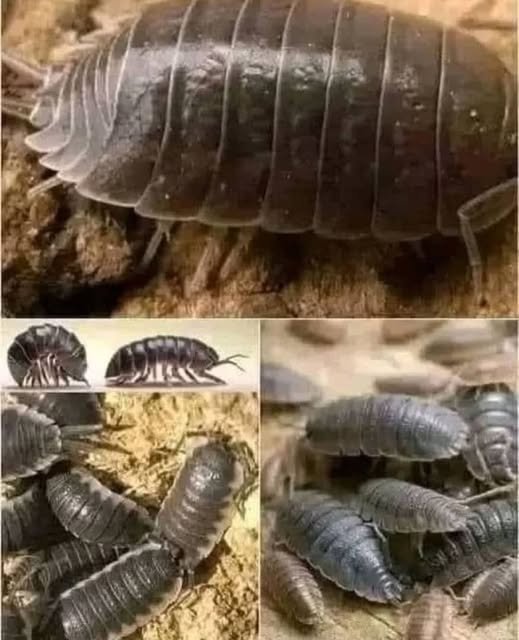
Finding moisture woodlice inside your home does not mean it is dirty. But it does indicate environmental conditions you shouldn’t ignore.
1. Possible Early Signs of Mold
High moisture that attracts woodlice is often the same environment where mold begins to grow. Woodlice themselves don’t cause mold, but their presence can be a warning sign.
2. Potential Structural Damage
Chronic humidity can weaken wood, damage flooring, and harm walls over time. The bugs are not causing the damage, but they highlight conditions that may lead to bigger problems if not treated.
3. Poor Air Quality
Humidity problems can affect air quality, especially for people with allergies or respiratory issues. If moisture bugs appear, your air quality may already be shifting.
4. Overly Damp Basement
Basements are the number-one place where people find woodlice. If they appear in large numbers, it usually means your basement is holding moisture that could become a long-term issue.
Are Moisture Woodlice Dangerous?
No. Woodlice are completely harmless.
-
They do not bite or sting.
-
They do not destroy furniture or clothing.
-
They do not spread diseases.
-
They do not harm pets or plants.
The only concern is what their presence represents: moisture. If ignored, humidity can create bigger problems than the bugs themselves.
How to Get Rid of Moisture Woodlice Safely
Eliminating humidity bugs requires solving the moisture issue first. Here are the best steps to follow:
1. Reduce Humidity
Use a dehumidifier in damp rooms. This is one of the quickest and most effective ways to make your home less attractive to woodlice.
2. Improve Ventilation
Open windows when weather allows, install exhaust fans in bathrooms and kitchens, and ensure proper airflow in basements and laundry rooms.
3. Fix Leaks
Check pipes under sinks, around toilets, behind washers, and near water heaters. Even a small, slow leak can create enough moisture for woodlice to thrive.
4. Seal Cracks and Entry Points
Use caulk or weatherstripping around windows and doors. Seal gaps in baseboards, flooring, and foundation walls.
5. Avoid Overwatering Plants
Allow soil to dry between waterings, and empty plant saucers after use.
6. Remove Organic Debris
Woodlice feed on rotting material. Clean up cardboard boxes, old wood, damp clothes, and items stored directly on the floor.
7. Clean With Dry Methods
Avoid excessive water when cleaning. Instead, sweep or vacuum areas prone to moisture. If you mop, dry the floor thoroughly afterward.
8. Use Natural Repellents
While woodlice are not harmful, you can discourage them with:
-
Bay leaves
-
Cucumber peels
-
Diatomaceous earth (safe for pets if food-grade)
-
Essential oils like peppermint or eucalyptus
These create environments woodlice dislike.