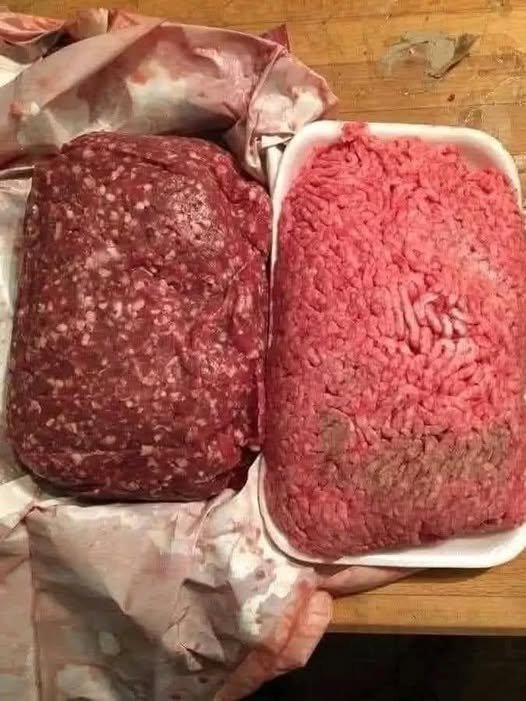
One of the biggest red flags is pricing.
High-quality meat has a fairly stable price range. If you notice:
-
steak that is extremely cheap
-
chicken that costs far below average
-
burger patties priced unusually low
…it may indicate:
-
frozen imports
-
older cuts
-
higher fat content
-
blended protein sources
This is why experts encourage comparing the price to the average market rate.
7. How to Protect Yourself as a Consumer
Here are practical steps to avoid being misled:
✔ Buy from trusted butchers or grocery chains
They are more transparent and rely on customer trust.
✔ Always read the ingredient list
If it’s long or unclear, the product may be highly processed.
✔ Prefer whole cuts
Steaks, whole chicken pieces, and fresh fish offer more transparency.
✔ Ask your butcher questions
Origin, cut, handling, storage—these details matter.
✔ Avoid ultra-cheap meat
If the price looks unbelievable, the product probably isn’t what you expect.
✔ Research store brands
Some chains are known for higher standards of sourcing.
8. What Doctors Say About Processed and Mislabeled Meat
Healthcare experts often advise consumers to be aware of:
-
high sodium levels in processed meat
-
added preservatives
-
unknown fat content
-
overeating low-quality meat products
Choosing clear, well-labeled options supports a healthier lifestyle and reduces confusion about what you’re actually consuming.
Again, this is not about fear—it’s about awareness.
9. The Power of Consumer Awareness
The more consumers understand labels and sourcing, the less likely they are to be misled. Food suppliers tend to adjust their practices based on customer behavior. When buyers start choosing transparent brands, companies respond with:
-
clearer labeling
-
better sourcing
-
reduced misleading marketing
Awareness drives change.
Final Thoughts
When it comes to meat, being an informed consumer is your strongest protection. While the U.S. food system is generally safe, misleading labels and marketing terms can still confuse shoppers. By learning how to read labels, paying attention to price, asking questions, and choosing trusted sources, you can confidently select the quality you want—and avoid the surprises you didn’t ask for.
Being careful is not about fear. It’s about knowledge, empowerment, and making choices that truly match what you expect.