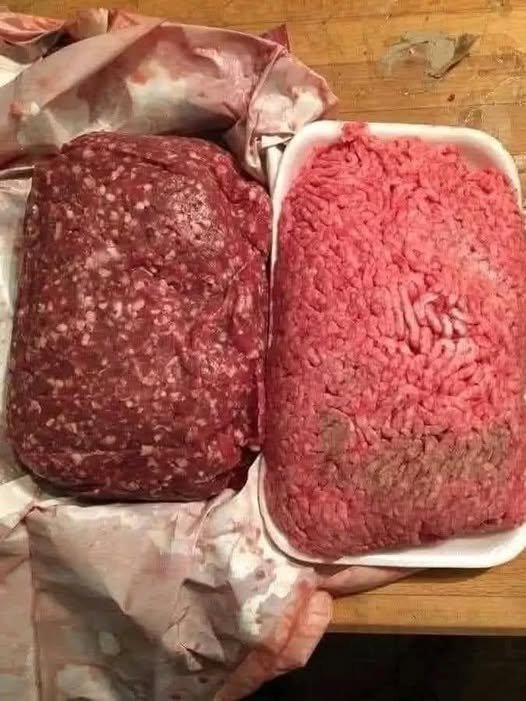
The U.S. imports meat from several countries. Importing itself is not a problem—many imported products meet high quality standards. However, some products may:
-
Be processed overseas
-
Come from older animals
-
Use cheaper cuts
-
Be labeled with vague terms like “mixed beef” or “mechanically separated meat”
Consumers may not realize where the meat originated unless they carefully read the packaging.
3. Mixed Meat Products: What’s Really Inside?
One of the most common causes of confusion is when products are made from a mix of different cuts or even different animals. This appears frequently in:
-
frozen foods
-
sausages
-
deli meats
-
canned meat
-
fast-food patties
-
pre-seasoned or marinated products
These products may be labeled as “beef,” “poultry,” or “pork,” even though they contain a blend of:
-
fat trimmings
-
mechanically separated meat
-
added water
-
flavor enhancers
Again, this doesn’t mean the meat is unsafe—it simply means consumers should be aware of what they’re purchasing.
4. How to Read Meat Labels the Right Way
If you want to avoid being misled, becoming an expert at reading labels is key.
Look for:
✔ Country of Origin
Some products must show “Product of USA,” “Imported,” or “Processed in…”.
This tells you where the meat came from or where it was packaged.
✔ Ingredient List
If a product has more than one ingredient, it must be listed.
Watch for terms like:
-
“mechanically separated meat”
-
“meat by-product”
-
“trimmed fat”
-
“water added”
✔ USDA Inspection Seal
This indicates the product was inspected, though it does not guarantee premium cuts.
✔ Percentage Labels
Some processed meats show a percentage of actual meat vs added ingredients.
5. Why Some Restaurants Don’t Disclose Everything
Many restaurants, especially fast-food chains or low-cost buffets, use pre-packaged meat supplied by distributors. The menu may simply say:
-
“beef burger”
-
“chicken strips”
-
“pork sandwich”
But what’s inside could include:
-
fillers
-
textured meat
-
multiple cuts blended together
-
imported products
Restaurants are not always required to list detailed ingredients unless you ask.