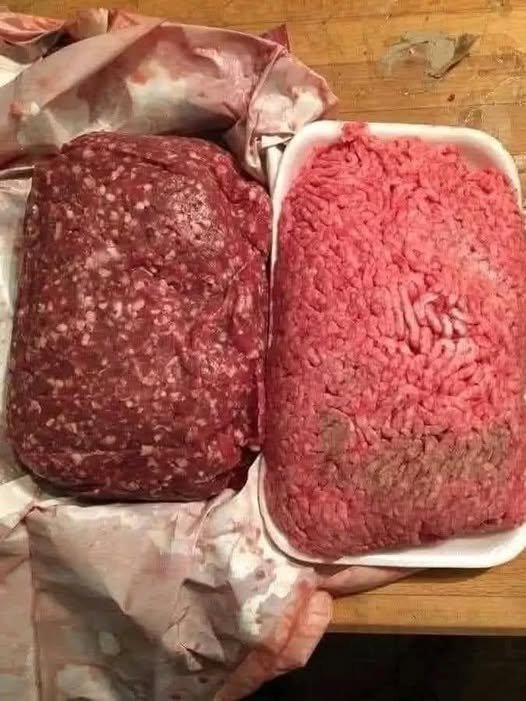
In recent years, conversations about food safety and product transparency have become more common across the United States. Many consumers are becoming increasingly aware that not everything sold in grocery stores or restaurants is labeled as clearly as it should be. This concern has sparked headlines, social media warnings, and discussions about what is really inside the products we buy—especially when it comes to meat.
While most businesses follow strict regulations, there have been cases where meat products were mislabeled, mixed with lower-quality cuts, or imported without proper disclosure. So the question becomes:
How can consumers protect themselves?
What signs should people look for?
And why does mislabeling happen in the first place?
This article breaks down the issue in a clear, AdSense-friendly way—no accusations, no brand naming, just facts, tips, and awareness.
Why Mislabeled Meat Happens
Most of the time, the food system in the United States is highly regulated. Agencies like the USDA work hard to ensure products are safe. However, mislabeling can still occur due to:
-
Cost reductions
-
Supply shortages
-
Importing of cheaper cuts
-
Human error in processing plants
-
Marketing strategies designed to make products appear premium
When demand rises—especially for beef and poultry—some companies may choose to blend certain cuts or import cheaper alternatives, labeling them under broader terms like “mixed meat,” “processed product,” or “seasoned blend.”
This doesn’t necessarily make the meat unsafe, but it may not be what shoppers think they’re buying.
1. “Premium” Labels Don’t Always Mean Premium Quality
Terms like “natural,” “premium,” “farm style,” or “traditional recipe” do not have strict legal definitions for every type of meat. This gives brands room to market lower-quality or mixed sources under appealing labels.
Consumers often assume these terms guarantee top-tier meat, but in many cases:
-
“Premium” may refer only to packaging
-
“Farm style” may be a marketing word
-
“Traditional” may be a flavor description, not a quality indicator
Understanding these labels helps shoppers choose more accurately.