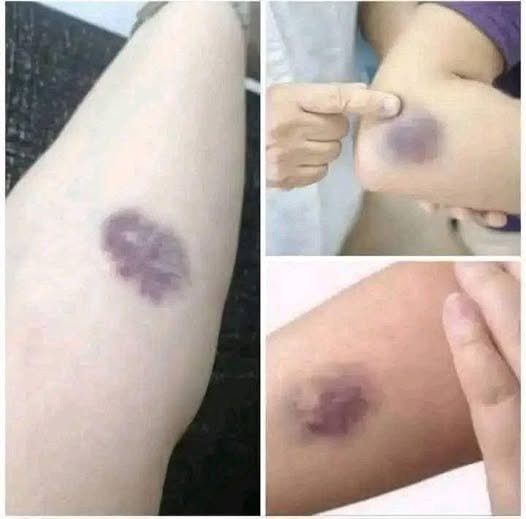
Bruises on the:
-
Back
-
Stomach
-
Face
-
Chest
are less common and may stand out more. These spots are typically protected areas, so bruising here may warrant more attention.
It doesn’t necessarily mean something serious, but it’s a good idea to observe whether the bruise spreads, changes colors unusually fast, or keeps reappearing.
8. Medication-Related Bruising
Some everyday medications and supplements can increase the tendency to bruise. These may include:
-
Anti-inflammatory medications
-
Certain herbs or supplements
-
Products that affect blood flow
If bruising increases after starting a new medication, it’s helpful to speak with a healthcare provider to make sure it’s expected.
9. When Bruises Take a Long Time to Heal
A bruise usually heals within:
-
3–5 days (purple/blue stage)
-
5–10 days (green/yellow stage)
-
10–14 days (light brown stage)
If bruises take longer than two weeks to fade, or if new bruises appear during the healing period, it may be a sign that the body needs rest, hydration, or better nutrition.
10. What Kind of Bruising Should Make You Pay Attention?
Here are signs that should not be ignored:
1. Bruises That Show Up Daily
Frequent bruising without clear cause may indicate the body needs nutritional or lifestyle adjustments.
2. Bruises With No Known Injury
One or two is normal, but frequent unexplained bruises may need evaluation.
3. Bruises With Tiny Red Dots Around Them
This is simply something to monitor.
4. Sudden Change in Bruising Pattern
If you rarely bruised before and suddenly bruise often, it is worth understanding why.
These signs do not automatically mean something serious. They simply mean your body is sending you a message.