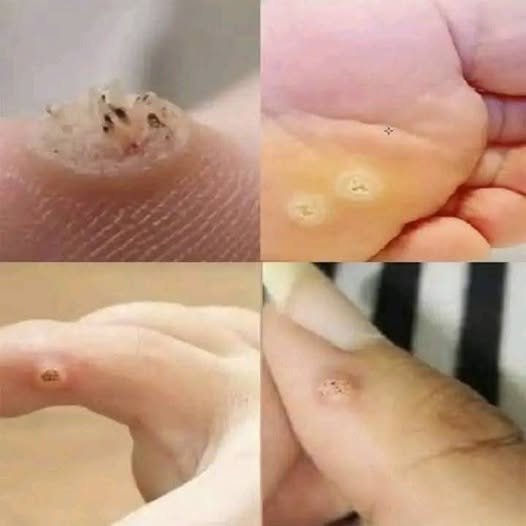
Although many plantar warts disappear on their own, there are times when professional care is the best choice. Consider seeing a doctor or podiatrist if:
-
The wart is painful enough to affect walking
-
It grows quickly or multiplies
-
It does not improve after several weeks of home treatment
-
You are unsure whether it is a wart or another condition
-
You have diabetes or poor circulation
Doctors have access to stronger treatments that are more effective for stubborn warts.
Professional Treatments Doctors May Use
If home methods don’t work, a doctor may recommend one of these treatments:
1. Freezing (cryotherapy)
Liquid nitrogen is applied to freeze the wart so it falls off after several sessions.
2. Stronger topical medications
These can include higher-strength acids or prescription creams.
3. Cantharidin
A chemical applied in the clinic that forms a blister underneath the wart, lifting it away.
4. Minor surgical removal
Used for severe or persistent warts.
5. Laser treatment or immunotherapy
Options for very stubborn or recurring warts.
These treatments are safe when performed by professionals and can significantly reduce the wart or remove it entirely.
How to Prevent Plantar Warts
Prevention is simple and can save you a lot of discomfort. Here are practical tips:
-
Always wear flip-flops or sandals in public showers and changing rooms
-
Keep your feet clean and dry
-
Avoid sharing shoes, socks, or foot care tools
-
Do not walk barefoot in public areas
-
Cover any small cuts or cracked skin on your feet
Small habits can make a big difference.
Final Thoughts
If you notice a painful spot on the bottom of your foot, a rough patch that won’t disappear, or a bump that looks suspicious, you may be dealing with a plantar wart. While they’re not dangerous, they can be annoying, painful, and contagious if left untreated.
The earlier you recognize the signs, the easier the treatment. Whether you choose OTC methods or professional help, plantar warts are manageable — and most people make a full recovery.