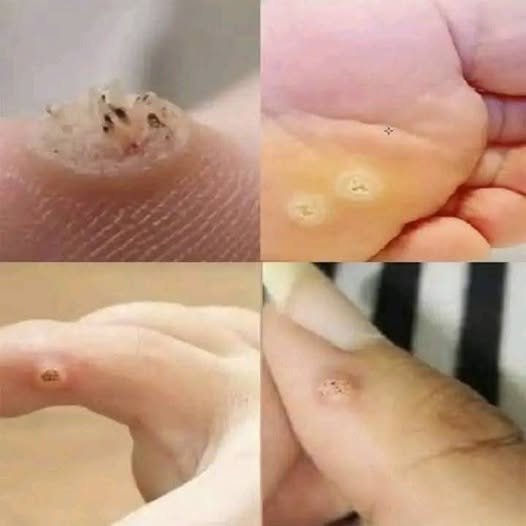
Plantar warts spread through simple skin-to-surface contact. You don’t need direct contact with another person; the virus can survive on warm, wet surfaces. That’s why people often get plantar warts in places where many people walk barefoot, such as:
-
Locker rooms
-
Public showers
-
Swimming pool decks
-
Gyms
-
Communal bathrooms
Children, teens, and people with small cuts or dry, cracked feet are especially likely to catch them. But anyone can get a plantar wart — even people with excellent hygiene.
Are Plantar Warts Contagious?
Yes, they are. The virus can spread to others or even to different areas of your own feet. Touching, scratching, or trying to “peel” the wart can make it spread faster. That’s why early treatment and keeping the area covered is important.
Safe Home Treatments You Can Try
The good news is that many plantar warts can be treated safely at home with simple, non-invasive methods. These are commonly recommended options:
1. Salicylic acid
Available in liquid, gel, pads, and medicated patches. It works by gradually softening and removing layers of the wart. Consistency is the key — it may take several weeks to see results.
2. Soaking the foot
Warm water softens the skin, making any treatment more effective.
3. Gentle filing
After soaking, you can gently file the surface with a pumice stone or foot file. Do not share the file with others.
4. Keeping the wart covered
A clean bandage protects the area and helps prevent spreading.
These methods are safe for most people, but if you have diabetes, nerve issues, or circulation problems, avoid home treatment and contact a medical professional instead.