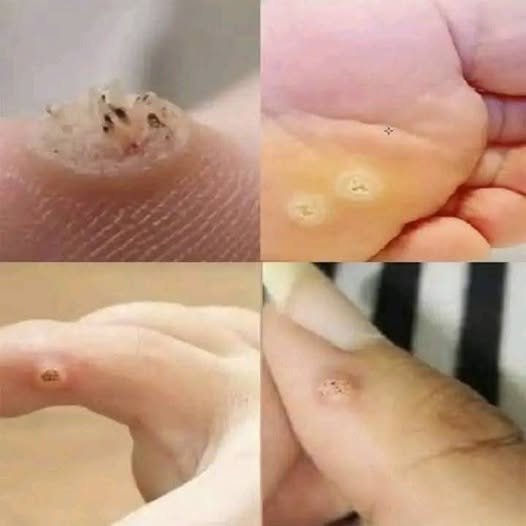
Plantar warts are far more common than most people think, and many people walk around with one without realizing it. They usually start small, painless, and easy to ignore. But with time, they can become uncomfortable, spread to other parts of the foot, or grow into clusters that make every step painful. If you’ve noticed an odd spot on the bottom of your foot, a sudden sharp pain when walking, or a rough patch that won’t go away, this article will help you understand what may be happening — and what to do next.
This guide is written in simple, clear language so you can quickly recognize the signs of a plantar wart and take the right steps to protect your health.
What Exactly Is a Plantar Wart?
A plantar wart is a small skin growth that appears on the bottom of the foot. It’s caused by a virus that enters the skin through tiny cuts, cracks, or dry areas. Unlike warts on other parts of the body, plantar warts grow inward due to the pressure of walking. That’s why many people don’t notice them at first — they often hide beneath hardened skin and look like a flat callus.
Even though plantar warts are not dangerous, they can be painful, stubborn, and contagious. If ignored, they may spread or become more difficult to treat.
Common Signs You Might Have a Plantar Wart
Plantar warts can look different from person to person, but most share several key characteristics. If you notice any of the following, you may be dealing with a plantar wart:
1. Pain when walking or standing
Many people say it feels like they’re stepping on a small pebble. The pain usually increases when applying pressure.
2. A small, grainy or rough bump
This bump often appears on the heel, the ball of the foot, or the base of the toes. It may be flat or slightly raised.
3. A hard layer of skin on top
Because plantar warts are pressed inward by body weight, a thick callus often forms over them.
4. Black “seeds” inside the wart
These tiny dark dots are common and are actually small clotted blood vessels — a classic sign of plantar warts.
5. A cluster of several small warts
Sometimes warts join together to form what is known as a “mosaic wart,” which can be more painful and harder to treat.
If you see one or more of these signs, it’s a strong indication that the spot on your foot is more than just dry skin or a corn.