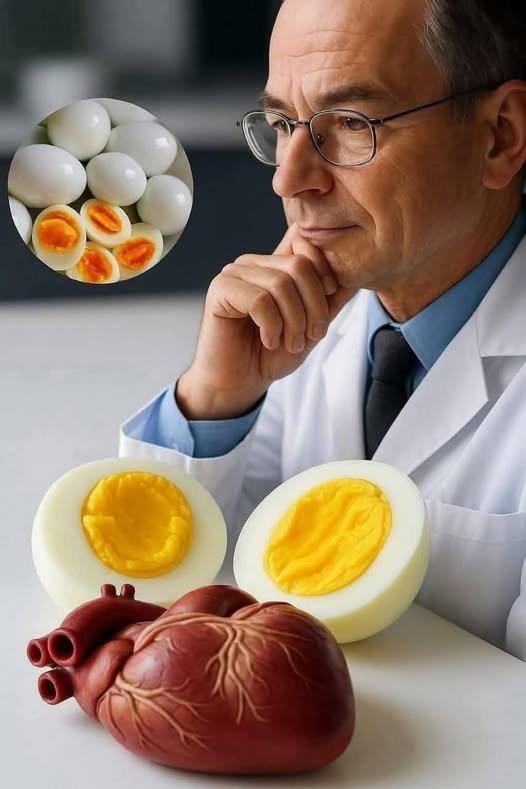
Boiled eggs are one of the simplest—and healthiest—foods you can add to your daily meals. They are quick to prepare, rich in nutrients, and easy to include in breakfast, lunch, or snacks. But online, you may have come across alarming titles claiming that eating boiled eggs can cause several diseases. These claims can be confusing, especially if you’re trying to make healthier food choices.
In this article, we will explore what really happens when you eat boiled eggs regularly. Are they safe? Do they cause diseases? Or are these claims just myths? Let’s break down the facts backed by nutrition experts, while keeping everything clear, balanced, and safe for everyday readers.
1. Why Boiled Eggs Are So Popular
Boiled eggs have become a staple in many diets—especially for people who want quick, protein-rich meals. A single large egg contains:
-
About 6 grams of high-quality protein
-
Healthy fats
-
Vitamin A, B6, B12
-
Choline (great for brain function)
-
Iron and other minerals
Because of this impressive nutrient profile, boiled eggs fit into many U.S. diets: low-carb, keto, high-protein, and even weight-loss plans.
2. The Myths About Boiled Eggs and Disease
Let’s address the main question:
Do boiled eggs cause diseases?
The short answer is no—not when eaten in normal, moderate amounts.
Many misleading online posts suggest that boiled eggs can cause problems like heart disease, high cholesterol, or digestive issues. However, these claims are often exaggerated or taken out of context. What truly matters is your overall diet, lifestyle, and personal health conditions—not one single food.
Let’s take a closer look at the common myths.
