 Skip to content
Mix petroleum jelly with lemon! Too bad I didn’t know about this earlier… See more
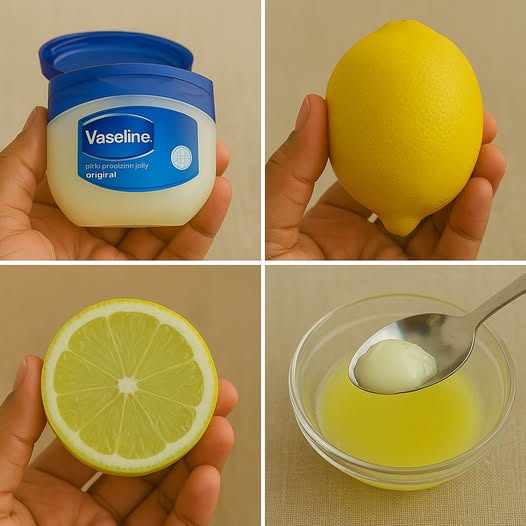
Homemade skincare remedies are often more effective than expensive cosmetics. One of the simple tricks that’s gaining popularity is the combination of petroleum jelly and lemon juice. This mix works wonders – it moisturizes, brightens, and protects the skin, and it takes only a few minutes to prepare.
Why combine petroleum jelly with lemon?
- Petroleum jelly creates a protective barrier on the skin, preventing moisture loss and keeping the skin soft and smooth.
- Lemon contains citric acid, vitamin C, and antioxidants, which help lighten discoloration, even out skin tone, and provide antibacterial benefits.
The combination of these two ingredients creates a natural, gentle treatment that can be used at home without the risk of irritation when used wisely.
How to prepare the petroleum jelly and lemon mixture
Ingredients:
- 2 tablespoons of petroleum jelly
- 1 teaspoon of freshly squeezed lemon juice
Instructions:
- In a small bowl, mix the petroleum jelly with the lemon juice until you achieve a smooth, creamy consistency.
- Store the mixture in a tightly closed container at room temperature.