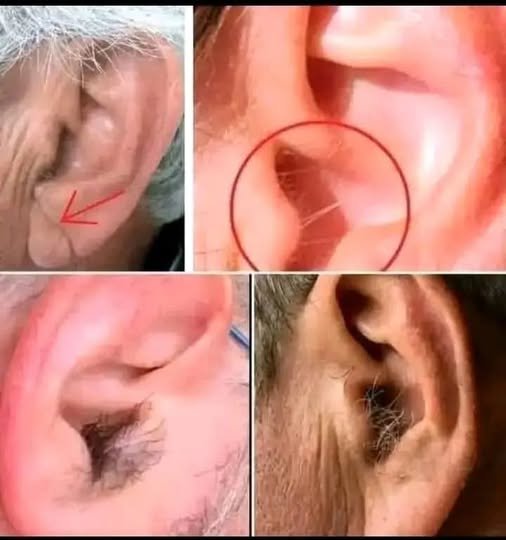
Although ear hair itself is harmless, there are a few cases where people choose to manage it:
1. If You Use Hearing Aids
Thick ear hair can sometimes interfere with comfort or sound quality.
2. If Earwax Builds Up Easily
Hair can trap more earwax for some individuals, making cleaning more frequent.
3. Cosmetic Reasons
Many people simply prefer a cleaner appearance. Grooming ear hair is often part of regular self-care.
None of these situations are medical problems—they are simply personal preferences.
Safe Ways to Manage Ear Hair
If you want to reduce or remove ear hair, these are the safest methods.
1. Electric Ear and Nose Trimmers (Best Option)
These are designed specifically for sensitive areas. They:
-
Do not pull hair
-
Do not irritate the skin
-
Are quick and safe
This is the preferred method for most people.
2. Gentle Trimming
Using small grooming scissors on the outer ear only can help. Never insert scissors into the ear canal.
3. Professional Waxing
Barbershops or salons can remove hair quickly and cleanly. This lasts longer than trimming but should be done by a trained professional.
4. Laser Hair Removal
For those who want a long-term solution, laser treatment can significantly slow hair growth over time. This is a cosmetic choice, not a medical necessity.
What to Avoid
To stay safe, avoid:
-
Using tweezers deep inside the ear
-
Applying hair removal creams inside the ear canal
-
Using sharp objects
-
Inserting anything that could damage the skin
The ears are delicate, and gentle grooming is always best.
Final Thoughts
Growing hair in your ears is far more common than people realize. In almost all cases, it simply means:
-
Your hormones are changing naturally
-
You inherited certain genetic traits
-
Your hair follicles are reacting to aging
There is nothing dangerous or unhealthy about it. Ear hair is a normal part of the body’s development, especially as we get older. Whether you choose to keep it or remove it is entirely up to you.