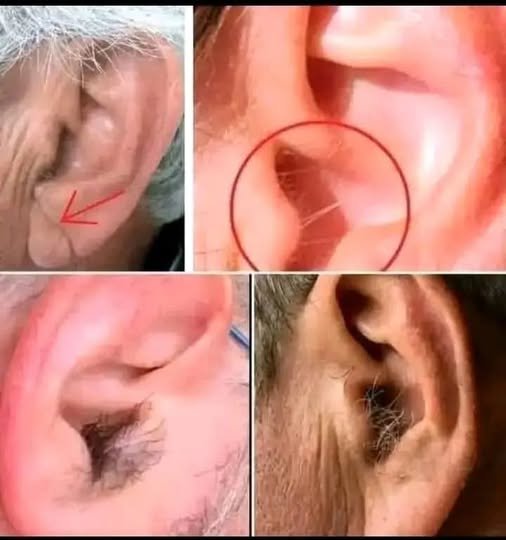
For many people, ear hair is hereditary. If your father, grandfather, uncles, or brothers have noticeable ear hair, chances are you may develop it too.
Your genes determine:
-
Hair thickness
-
How fast hair grows
-
Where hair grows
-
When the change happens
Because genetics are such a strong factor, ear hair is often more about family traits than health.
3. Skin and Follicle Aging
As the skin ages, hair follicles behave differently. Some follicles become less active, while others become more active. Ear follicles are especially responsive to age-related changes.
This often results in:
-
Longer hairs
-
Coarser texture
-
More visible strands
Again, this is a natural part of aging and nothing to worry about.
4. Slight Changes in Circulation
The ears have many small blood vessels, and changes in blood flow can stimulate hair growth. This isn’t a sign of disease—it’s just how some hair follicles react.
People who exercise, work outdoors, or have high daily activity sometimes notice increased hair growth simply because of improved circulation.
What Ear Hair Does Not Mean
Because many online posts exaggerate, here is what ear hair is not a sign of:
-
It does not mean you have a disease
-
It does not signal a dangerous condition
-
It does not indicate poor hygiene
-
It does not mean you need medical treatment
Ear hair is overwhelmingly a cosmetic issue, not a medical one.
Why It’s More Common in Men
While women can develop ear hair, it is far more common in men. This is because men have higher levels of hormones that stimulate hair growth in “sensitive zones,” including:
-
Ears
-
Nose
-
Eyebrows
Over time, these hormones activate certain follicles more strongly. This is why many men notice ear hair as they move into middle age.